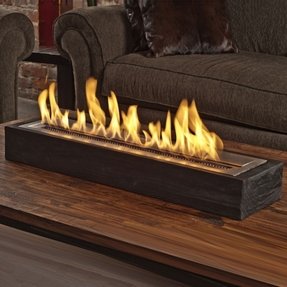
Gas Fireplace Carbon Monoxide. Simply make sure the electric fireplace is. If you suspect carbon monoxide poisoning go into fresh air immediately and get others out of the building, then call your fire department or emergency services for help.
Common sources of carbon monoxide gas include heaters, fireplaces, furnaces, and many types of appliances and cooking devices, including charcoal grills or barbecues. Carbon monoxide is produced during combustion. Gas fireplaces burn so clean that if they leak into the room no odor alarms you to the presence of carbon monoxide. Carbon monoxide and other reactive gases carbon monoxide (co) is not considered a direct greenhouse gas, mostly because it does not absorb terrestrial thermal ir energy strongly enough.
A broken chimney connector pipe or a rusted heat exchanger can produce the same hazardous result.
This includes cigarettes and cigars, pipe tobacco, candles, gas stoves, gas ovens, gas space heaters, gas fireplaces and gas furnaces. If you suspect carbon monoxide poisoning go into fresh air immediately and get others out of the building, then call your fire department or emergency services for help. Carbon monoxide is difficult to detect. Compared with wood fireplaces, natural gas and propane fireplaces produce much less carbon monoxide and particulate emissions.